
EN Pay Online
High-performance prefabricated office units, workshops, and multi-purpose industrial buildings optimized for sea freight export to Auckland, Tauranga, Lyttelton, and Napier ports.
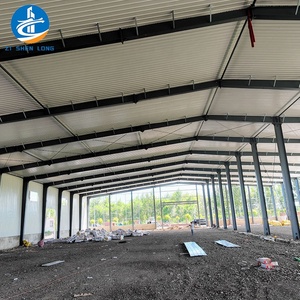 Heavy-Duty
Integrated modular administrative office cabin combined with lightweight steel structure workshop space. Engineered for multi-use site headquarters.
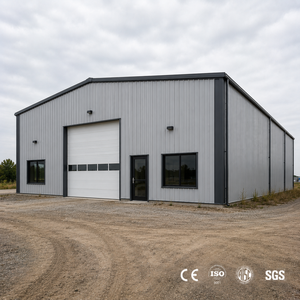 Logistics Grade
Clear-span industrial storage facility with multi-level modular office cabins. Features rapid bolted connections for reduced on-site installation time.
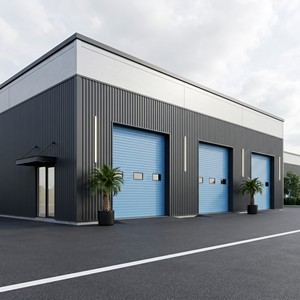 Custom Layout
Tailor-made industrial complex with integrated executive office suites, staff amenities, and logistics management control hubs.
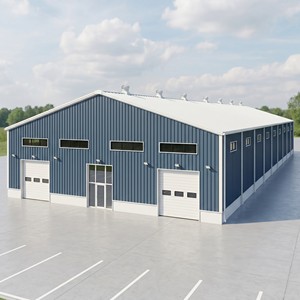 Turnkey CAD
Bespoke engineering module designed for housing high-value machinery alongside administrative office cabins and control stations.
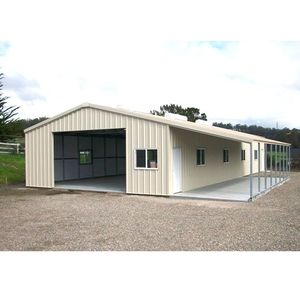 Agri-Sector
Cost-effective, highly durable portable office cabin kit optimized for remote farms, forestry stations, and regional NZ agritech hubs.
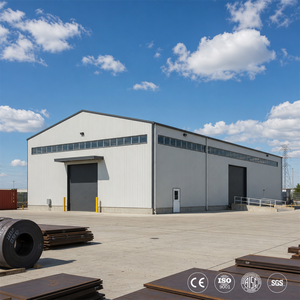 Gable Roof
Architectural gable roof design with superior rainwater drainage and thermal management. Ideal for commercial site offices and showrooms.
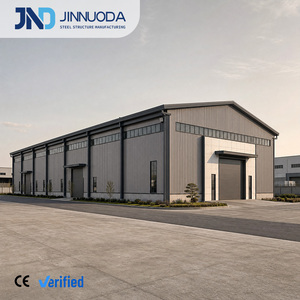 Multi-Storey
Scalable multi-storey modular office complexes engineered for major infrastructure, mining camp headquarters, and civil engineering hubs.
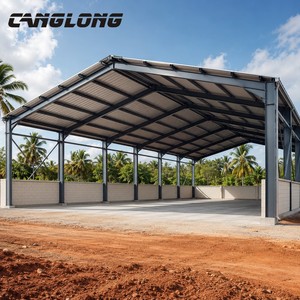 Rapid Deploy
Ultra-versatile, relocatable office cabin ideal for temporary swing spaces, site management, utility stations, and remote regional projects.
Procuring modular office cabins and prefabricated steel structures for the New Zealand market requires strict adherence to localized structural, seismic, and thermal requirements. Unlike standard off-the-shelf container offices, modern enterprise modular buildings manufactured by factory leaders like Nexa Prefab (utilizing state-of-the-art manufacturing facilities in Gebze / Kocaeli, Turkey) are engineered from the ground up to comply with AS/NZS structural steel standards and the rigorous demands of the New Zealand Building Code (NZBC).
Below is a comparison of standard modular construction versus our custom factory-engineered modular office cabins designed for New Zealand commercial and industrial applications:
| Engineering Criteria | Standard Global Modular Cabin | Nexa Prefab NZ-Spec Modular Office |
|---|---|---|
| Structural Steel Framing | Q235 Commercial Grade Steel | High-Strength AS/NZS 3678 Grade 350 / G450 Cold-Formed Steel |
| Seismic Resistance (NZS 1170.5) | Standard Static Load Only | Ductile Seismic Joint Bracing (Zone 1 to Zone 4 Seismic Resilience) |
| Wind Zone Capacity (NZS 3604) | Up to 32 m/s (Low / Medium) | Engineered for Very High / Extra High / Specific Engineering (Up to 55 m/s) |
| Corrosion Protection | Basic Alkyd Primer Paint | C4 to C5-M Marine Coating (Hot-Dip Galvanized Z275 + Epoxy Primer) |
| NZBC H1 Thermal Envelope | R1.8 Walls / R2.2 Roof | High-Density PIR / Mineral Wool Core (R2.8+ Walls / R4.1+ Roof) |
| Fire Safety (AS 1530.4) | Non-rated EPS panels | Non-Combustible PIR / Rockwool Core (30 to 120 min Fire Rating) |
Modular office cabins serve as flexible, rapidly deployable infrastructure across diverse economic sectors in New Zealand. Off-site prefabrication allows enterprise buyers to bypass local trades shortages, wet weather delays, and high on-site labor costs.
Rapid expansion in logistics hubs around South Auckland (Wiri, Drury) and the Waikato Expressway corridor requires immediate site administrative space. Modular cabins provide high-spec swing offices that can be stacked 2-3 levels high with minimal site footprint.
Large-scale farming operations in Canterbury and wineries in Marlborough and Central Otago require robust field offices, staff break rooms, and produce control cabins that withstand severe winter frosts, alpine winds, and UV exposure.
Wellington's severe wind conditions require site offices engineered with heavy duty structural hold-downs and aerodynamic roof profiles. Factory-fitted double glazing ensures comfortable acoustics amidst harsh coastal gale environments.
Off-grid mining, quarrying, and forestry operations require self-contained, relocatable modular cabins fitted with integrated electrical sub-boards, heavy-duty floor vinyl, and crane lifting lugs for easy transport between remote work sites.
During major infrastructure rebuilds or post-disaster civil emergency works, rapid deployment of modular administrative headquarters allows engineering teams to set up project offices within days of container delivery.
The New Zealand construction landscape is undergoing a structural transition toward off-site manufacturing (OSM) and volumetric prefabrication. Key macroeconomic and regulatory factors driving this shift include:
With traditional NZ construction labor rates continuing to rise alongside material inflation, importing pre-engineered, factory-finished modular cabins delivers up to 40% to 60% total cost savings compared to site-built timber framing.
Increased focus on climate sustainability and worker comfort has led to strict thermal envelope enforcement. Modern modular office cabins feature continuous polyisocyanurate (PIR) thermal breaks that eliminate cold bridging across steel frames.
Off-site factory manufacturing reduces construction waste by over 80% compared to traditional site builds. All steel components are 100% recyclable, assisting tier-1 contractors in meeting NZ Green Building Council (NZGBC) site sustainability targets.
Modern enterprise cabins come factory pre-wired for rapid hookup to rooftop solar PV arrays, battery storage banks, and rainwater collection systems—essential for remote infrastructure projects across the North and South Islands.
As a trusted OEM/ODM manufacturer serving over 60 countries globally, Nexa Prefab operates ISO 9001, ISO 14001, and ISO 45001 certified production plants in Gebze / Kocaeli, Turkey. Combining European structural engineering expertise with direct factory production economies of scale, we provide New Zealand buyers with unmatched quality control, structural integrity, and transparent marine logistics.
Every modular cabin module undergoes stringent structural testing prior to flat-pack containerization or volumetric shipping. Frame components are treated with high-grade zinc galvanizing (minimum 275 g/m²) and finished with marine-grade C4/C5 coatings to prevent rust even when situated within 100 meters of New Zealand’s high-salinity coastlines.