
EN Pay Online
Engineered for extreme environmental durability, high foot-traffic, strict HACCP food safety standards, and rapid assembly across Ethiopian project sites.
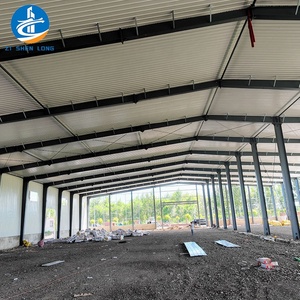
Heavy-duty structural steel frame canteen combined with staff welfare facilities. Features thermal sandwich insulation ideal for Addis Ababa highlands.
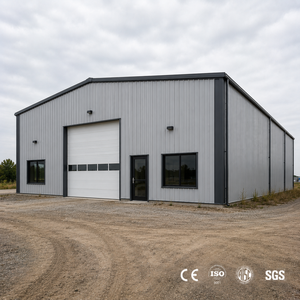
Column-free large span structural design allowing seating capacities from 200 to 2,000 workers. Bolt-connected for rapid installation in remote sites.
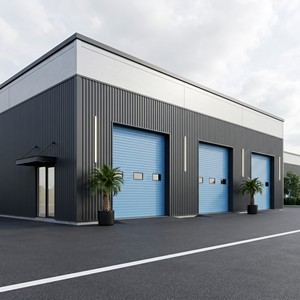
Integrated food preparation zones engineered with anti-bacterial wall paneling, grease containment, and heavy-duty ventilation ductwork.
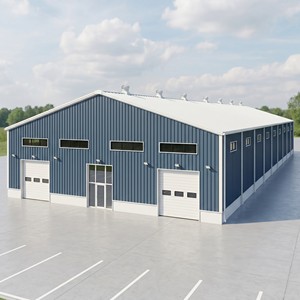
Built to withstand the semi-arid conditions of Afar and Somali regions. Superior thermal resistance against temperatures exceeding 45°C.
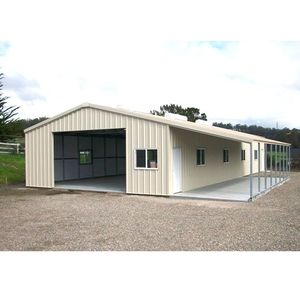
Cost-optimized flat-pack modular canteen system designed for fast logistics shipping via the Djibouti port-to-Addis Ababa corridor.
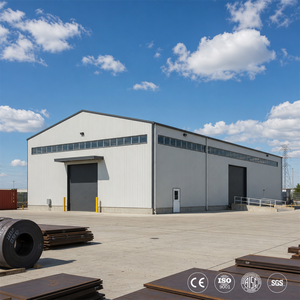
All-weather roof design optimized for heavy high-altitude rainfall during the Ethiopian *Kiremt* monsoon season. Fully insulated and leak-proof.
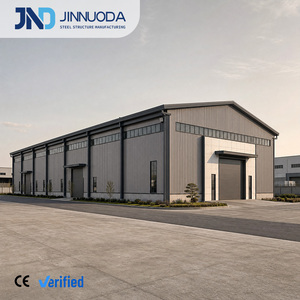
High-capacity structural steel canteen solution created specifically for major infrastructure projects, road developments, and industrial parks.
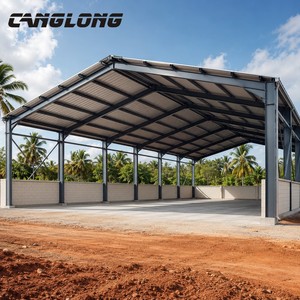
Versatile, lightweight cold-formed steel structure engineered for rapid relocation and multi-site reusability across mining camp relocations.
As the economic engine of East Africa expands across manufacturing, energy, and civil engineering, establishing centralized, sanitary, and climate-resilient worker catering hubs is critical for project execution timeline compliance.
The Horn of Africa is undergoing unprecedented infrastructure modernization. From mega hydro-electric installations such as the Grand Ethiopian Renaissance Dam (GERD) to expansive transport corridors and Special Economic Zones (SEZs) like Hawassa, Kilinto, and Bole Lemi Industrial Parks, project managers face extreme logistical and environmental constraints. Providing high-capacity, thermally comfortable, and strictly hygienic catering infrastructure is no longer an afterthought—it is a core determinant of workforce retention, health compliance, and operational efficiency.
Traditional brick-and-mortar canteen construction in Ethiopia presents severe risks: extended completion timelines, high material waste, skilled labor bottlenecks, and severe vulnerability to ground settlement in black cotton soils prevalent in regions like Oromia and Amhara. Nexa Prefab's prefabricated modular canteen systems solve these challenges by delivering pre-engineered, flat-packed modular catering complexes direct from our Turkish production hub to project sites via the primary Djibouti-to-Addis shipping channel.
Context: Locations such as Addis Ababa, Debre Berhan, and the central highlands operate at elevations exceeding 2,300 meters, subject to severe temperature drops at night and torrential rain during the Kiremt monsoon (June–September).
Engineering Response: Reinforced double-sloped pitched roofs featuring high-density Polyurethane (PU) sandwich panels (40kg/m³) that prevent thermal leakage, moisture ingress, and condensation build-up inside central kitchen and dining zones.
Context: Mining operations in the Afar Depression, Danakil, and Somali regions experience blistering ambient temperatures above 45°C, high dust loads, and aggressive saline environments.
Engineering Response: Micro-perforated sun-shading external cladding, heavy-duty HVAC ducting integrate with integrated air scrubbers, sand-filtration louvers, and hot-dip galvanized steel framing resisting atmospheric corrosion.
Context: High-density manufacturing environments requiring rapid catering facilities to serve thousands of shift workers simultaneously within tight real estate footprints.
Engineering Response: Multi-story modular canteen structures with integrated walk-in cold rooms, commercial cooking hoods, stainless steel serving lines, and high-traffic anti-bacterial vinyl flooring capable of easy steam-cleaning.
Context: Humanitarian organizations, UN agencies, and government relief bodies operating in drought-affected or displaced population zones needing immediate mass-feeding infrastructure.
Engineering Response: Flat-pack containerized canteen units that can be transported via standard flatbed trucks over unpaved roads and assembled by unskilled local crews within 48 hours per unit using simple manual tools.
A detailed structural breakdown of how Nexa Prefab manufactures field-ready commercial dining solutions tailored for African environmental compliance.
Designing a commercial field canteen demands far more than basic structural shelter. Food production facilities generate intense internal moisture, grease vapors, extreme thermal loads from cooking appliances, and stringent sanitation challenges. Nexa Prefab utilizes CAD/CAM driven structural steel engineering from our primary Kocaeli production complex to craft complete modular canteen ecosystems.
Our modular site canteens rely on cold-formed high-tensile galvanized steel profiles (S350GD+Z275). Frame structural integrity is calculated according to Eurocode 3 and Ethiopian Building Code Standard (EBCS) requirements, designed to withstand seismic accelerations in the East African Rift System zone, as well as extreme wind velocities up to 130 km/h.
Walls and roofing elements utilize PIR (Polyisocyanurate) or Rockwool core sandwich panels. The non-combustible Rockwool panels (Class A1 fire rating) are deployed around central kitchen and bakery installation zones, ensuring strict fire containment. The U-value of our standard wall panels ranges between 0.22 W/m²K and 0.28 W/m²K, reducing internal cooling energy demand by up to 40% in hot regional lowlands.
Every canteen layout strictly adheres to HACCP (Hazard Analysis Critical Control Point) workflow standards, creating physical separation between raw food storage, prep areas, cooking stations, dishwashing bays, and dining halls. Floor systems integrate heavy-duty fiber-cement board underlayments overlaid with seamless, chemical-resistant commercial vinyl or non-slip aluminum checker plates. Internal stainless steel grease traps and multi-stage oil interceptors are built directly into the plumbing core to protect local water systems from contamination.
| Evaluation Parameter | Nexa Modular Canteen System | Conventional Concrete / Blockwork | Standard Shipping Container Modification |
|---|---|---|---|
| On-Site Deployment Speed | Rapid (2–4 weeks for 1,000 m²) | Slow (6–12 months minimum) | Moderate (4–8 weeks) |
| Thermal Insulation (U-Value) | 0.22 W/m²K (High Energy Savings) | 1.20 W/m²K (Poor Performance) | 0.65 W/m²K (PIR retrofitted) |
| HACCP Sanitation & Cleanability | Factory-sealed antibacterial surfaces | Porous concrete/gypsum prone to bacteria | Corrugated metal crevices hard to wash |
| Foundation Requirements | Minimal (Point pads or strip footings) | Heavy concrete slab foundation needed | Flat level pad required |
| Logistics Footprint to Ethiopia | Optimized Flat-Pack (Up to 160m² per 40ft HQ) | Raw materials sourced locally with delay | High freight volume (shipping empty box space) |
| Relocatability & Resale Value | 100% Dismountable & Reusable | Zero relocatability (Permanent asset loss) | Relocatable with heavy crane lift |
Procurement officers and project directors sourcing modular infrastructure for Ethiopian contracts must navigate unique regulatory and supply chain dynamics. Utilizing prefabricated components manufactured under rigorous ISO standards provides a predictable hedge against local currency fluctuations, material shortages, and labor strikes.
Over 95% of sea freight entering Ethiopia clears through the Port of Djibouti. Nexa Prefab's flat-pack kit packaging is specifically optimized for SOC (Shipper Owned Container) and COC standard ocean container loading, securing swift transit from Turkish ports across the Red Sea, minimizing demurrage charges, and enabling direct trucking via the Galafi or Dewele border posts directly to your project location.
The Ethiopian Standards Agency (ESA) increasingly enforces strict structural and fire-safety compliance for public and commercial buildings. Nexa Prefab structures ship complete with full manufacturer EN 1090 structural steel certificates, ISO 9001 quality management stamps, and certified material test reports (MTRs) for smooth customs clearance with the Ethiopian Customs Commission.
Many remote mine sites in Afar, Benishangul-Gumuz, and Gambela operate off-grid. Nexa Prefab modular canteens can be engineered roof-ready for high-efficiency solar photovoltaic array mounting, reducing fuel consumption for diesel generators by powering cold storage, LED lighting, and kitchen extraction ventilation during daylight hours.
Backed by decades of prefabricated modular engineering expertise, our automated manufacturing facilities deliver uncompromised precision for global mega-projects.
Headquartered in Gebze / Kocaeli—Turkey’s industrial manufacturing heartbeat—Nexa Prefab operates high-speed automated CNC roll-forming lines capable of producing tens of thousands of square meters of modular space monthly. We maintain direct logistics access to major deep-water Turkish ports, ensuring rapid vessel booking to Djibouti and East African ports.
Our engineering division partners closely with project managers, delivering full 3D BIM models, electrical distribution schematics, hydraulic routing layouts, and step-by-step foundation drawings prior to fabrication. This integrated workflow eliminates on-site rework and guarantees seamless assembly.
Production lead time generally takes 10 to 20 days depending on the square meter scope. Sea freight shipping from Turkish ports (Gebze/Ambarli) to the Port of Djibouti takes approximately 12 to 16 days. Truck transit and customs transit from Djibouti to Addis Ababa or regional project sites takes an additional 4 to 7 days, allowing full on-site delivery within 5 to 6 weeks from contract finalization.
Our modular kitchen units are designed specifically for industrial cooking loads. We integrate stainless steel wall panels behind cooking ranges, high-volume canopy extraction hoods with active carbon and grease filters, sloped stainless steel floor drainage channels with removable basket traps, and heavy-duty external grease interceptors to satisfy all municipal wastewater regulations.
Nexa modular canteens do not require costly deep foundations. They can be installed on simple concrete perimeter strip footings, raised concrete pier pads, or a simple level 10-15cm concrete slab. We supply complete foundation layout drawings with point load specifications immediately after order confirmation.
Yes, 100% of our structural frame components, sandwich wall panels, and fast-bolt connectors are designed for multiple assembly and disassembly cycles. This makes Nexa modular canteens an ideal capital investment for road construction firms and mining contractors moving across successive project sites in East Africa.
Consult with Nexa Prefab's technical engineering team today. Receive custom floor plans, load calculations, and competitive CFR Djibouti / DAP Addis Ababa pricing tailored to your project requirements.