
EN Pay Online
Explore China's premier modular tiny house systems manufactured for Russian climate zones, featuring heavy-gauge cold-formed steel frames, high-density PIR/rockwool insulation cores, and rapid turn-key assembly.
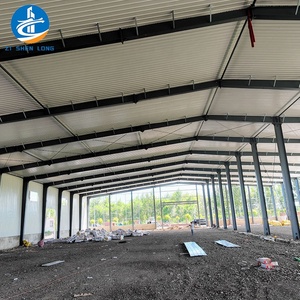 Extreme Winter Ready
Fully insulated structural steel tiny house pod designed for rapid suburban and resort installation across Russia.
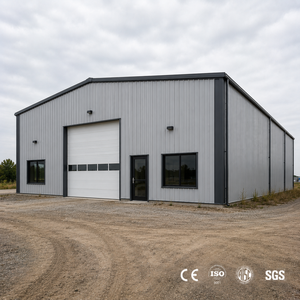 Heavy-Duty Frame
Quick-bolt high-tensile structural steel frame unit suitable for multi-purpose commercial and living quarters.
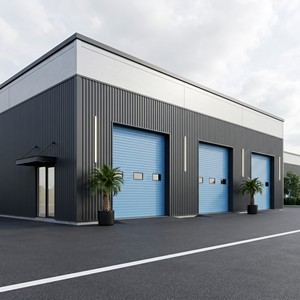 Luxury Architectural
Architectural tiny house featuring triple-pane Low-E panoramic glazing, customized for Lake Baikal & Altai resorts.
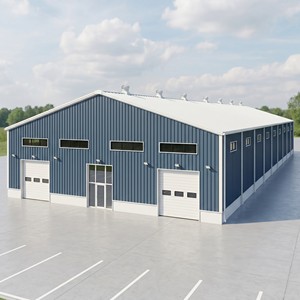 Industrial Grade
Heavy-duty winterized modular container pod engineered for Siberian mining and energy sector field personnel.
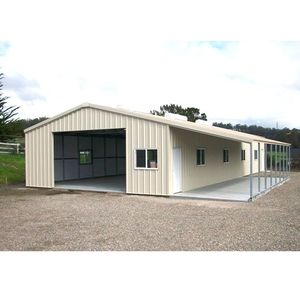 Flat-Pack Kit
High-efficiency flat-pack tiny home kit designed for easy container transit and fast DIY or contractor setup.
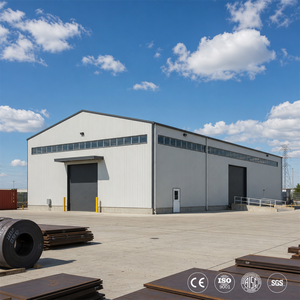 Gable Roof Design
Pitched gable roof modular structure engineered for rapid snow shedding and high thermal efficiency in Northern regions.
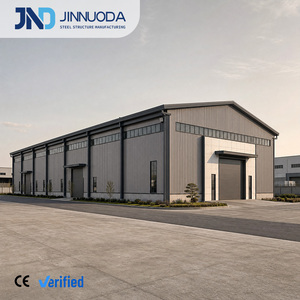 Multi-Storey Modular
Multi-story stackable modular building system ideal for large-scale worker camps and commercial outposts.
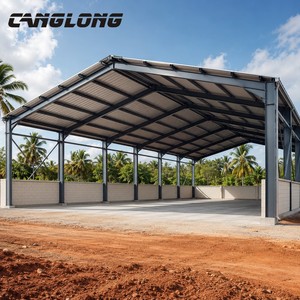 LGS Technology
Advanced Light Gauge Steel (LGS) frame tiny home featuring high earthquake resistance and zero thermal bridging.
The Russian Federation is experiencing a profound paradigm shift in its residential, commercial, and industrial construction sectors. Driven by acute shortages of skilled site labor, escalating domestic inflation in traditional masonry building materials, and an urgent demand for rapid-deployment infrastructure across vast geographic expanses, Russian developers, hospitality groups, and resource enterprises are increasingly turning to top modular tiny house factories in China.
China's prefabricated manufacturing sector has consolidated its global leadership through automated cold-formed steel roll-forming, high-precision CAD/CAM robotic integration, and advanced structural insulation engineering. By sourcing directly from Chinese Tier-1 suppliers, Russian procurement managers eliminate typical construction delays, reducing on-site erection schedules by up to 80% while ensuring strict compliance with Russian Federal Building Standards (SNiP and GOST requirements).
Furthermore, the establishment of direct Sino-Russian trade corridors—supported by direct RMB/Rouble currency clearing mechanisms via major financial institutions—has removed historical banking friction. Overland rail routes through Manzhouli-Zabaikalsk and direct maritime logistics to Vladivostok, Murmansk, and St. Petersburg enable seamless containerized delivery of winterized modular units from Chinese factories straight to construction sites in the Central, Siberian, Far Eastern, and Northwestern Federal Districts.
Traditional wet-construction methods in Russia are strictly limited by short summer building windows, particularly in northern latitude zones where ground freezing persists for 7 to 9 months per year. Chinese modular tiny house technology bypasses these seasonal constraints: units arrive at site 90% pre-assembled, complete with factory-installed electrical wiring, plumbing, thermal insulation, and interior finishes. Foundation work requires only minimal ground preparation (such as screw piles or concrete pads), allowing year-round installation even on permafrost terrain.
Deploying modular tiny houses in Russian regional environments requires rigorous engineering to counter extreme thermal differentials, heavy atmospheric snow accumulation, and fierce wind loads. Top Chinese factories utilize multi-layered thermal envelope architectures that eliminate structural thermal bridging and maintain indoor comfort with minimal energy consumption.
Steel frames feature continuous Polyisocyanurate (PIR) thermal break gaskets and external hydrophobic Rockwool (120kg/m³) insulation sheathing, achieving low overall U-values (≤ 0.14 W/m²K) to prevent frost formation inside wall cavities.
Engineered in compliance with Russian standard SNiP 2.01.07-85 for Snow Zones IV through VI. Roof trusses utilize reinforced Q355B galvanized steel profiles rated to withstand static snow pressures exceeding 4.5 kN/m².
Windows are fitted with 6mm+12Ar+6mm+12Ar+6mm Low-E tempered glass units filled with 90% Argon gas inside thermal-break aluminum profiles, stopping interior condensation even when exterior temperatures plummet to -50°C.
Russia's domestic tourism market is expanding rapidly, driving unprecedented demand for eco-lodges and luxury tiny house retreats. Chinese modular capsule homes and glass-front A-frame tiny houses offer resort developers turnkey aesthetics, high occupancy durability, and zero-impact installation in protected national park landscapes.
Mining, oil, and gas enterprises operating in Yamal, Sakha-Yakutia, and Sakhalin require robust, winterized workforce accommodation. Stackable Chinese modular container dormitories, administrative headquarters, and field clinics provide fire-rated, warm living quarters with integrated HVAC systems built for severe Arctic operations.
Suburban homeowners surrounding Moscow, St. Petersburg, and Yekaterinburg are replacing outdated timber dachas with modern modular tiny villas. Delivered flat-packed or pre-assembled on low-bed trucks, these units feature underfloor heating, smart living tech, and maintenance-free metal-composite exterior cladding.
Urban centers such as Novosibirsk, Kazan, and Vladivostok utilize compact modular tiny house frameworks for fast-track municipal projects, including seasonal pop-up cafes, tourist information hubs, security outposts, and mobile emergency response centers requiring rapid relocation flexibility.
| Evaluation Parameter | China Factory Modular Tiny House | Traditional Timber Dacha | Masonry / Brick Construction |
|---|---|---|---|
| Thermal Insulation (U-Value) | 0.14 - 0.18 W/m²K (Superior) | 0.32 - 0.45 W/m²K (Moderate) | 0.38 - 0.50 W/m²K (Poor) |
| On-Site Erection Speed | 1 - 3 Days (Turnkey) | 3 - 6 Months | 8 - 14 Months |
| Sub-Zero (-50°C) Construction | 100% Year-Round Erection | Restricted in Winter | Impossible in Frozen Conditions |
| Structural Lifespan Rating | 50+ Years (Galvanized Steel) | 20 - 30 Years (Rot/Pest risk) | 50+ Years |
| Fire Safety Classification | Class A1 Non-Combustible | Combustible Timber | Non-Combustible |
| Logistics & Transport Efficiency | Flat-Pack / Containerized | High Freight Mass | Heavy Local Haulage |
Top Chinese modular factories provide comprehensive export documentation required for customs clearance into the Eurasian Economic Union (EAEU/CU). This includes EAC Declaration of Conformity for structural steel components, GOST-R compliance certificates, ISO 9001 quality audits, factory fire-test reports for insulation materials, and fully bilingual (Russian/English) packing lists and technical passports.
Cargo is transported via two main corridors: Rail Freight through the Manzhouli-Zabaikalsk or Suifenhe-Grodekovo land borders directly to Russian rail terminals, or Sea Freight via container lines to Vladivostok, St. Petersburg, or Novorossiysk. For inland final destinations, units are transferred to standard Russian low-bed trailers (Plato compliant) for final last-mile site delivery.
For permafrost or highly active freeze-thaw ground, we engineer our modular frame chassis to anchor directly onto helical screw piles or elevated concrete block pads. This creates a ventilated air gap beneath the module, preventing heat transfer from the living space into the underlying ground layer and maintaining absolute foundation stability year-round.
Yes. All MEP systems are pre-installed in the factory to conform with Russian GOST electrical codes (220V/50Hz, GOST-certified wiring with flame-retardant conduits) and plumbing requirements. Units can be configured with electric underfloor heating mats, hydronic radiator loops compatible with local boiler systems, and freeze-protected PEX water supply lines equipped with self-regulating heating cables.
Chinese suppliers support direct cross-border trade settlements in Chinese Yuan (RMB) or Russian Roubles (RUB) via major non-sanctioned financial institutions (such as VTB Shanghai, Bank of China, and ICBC). Standard B2B terms involve a 30% advance deposit upon CAD drawing approval, with the remaining balance settled upon factory quality inspection and vessel/train loading confirmation.
We offer both configurations based on project requirements. Fully finished Volumetric Capsule modules are shipped 95% complete inside 40ft Flat Rack or High Cube containers, requiring only crane placement and utility hookup on site. For high-volume projects, Flat-Pack kits allow up to 4 complete modular units to be packed into a single 40ft HQ container, significantly reducing freight costs.
Choosing the right modular factory partner in China is critical for ensuring long-term project success in Russia. Leading manufacturers operate over 100,000 m² of modern production space equipped with automated fiber-laser cutters, robotic structural welding cells, and automated polyurethane injection sandwich panel lines.
Our engineering team performs advanced ANSYS finite element simulation testing on every custom modular design, verifying structural deflection, thermal resistance, and seismic load limits prior to fabrication. Before shipment, every module undergoes full trial assembly and high-pressure water tightness testing in factory test bays to guarantee defect-free delivery.
Consult with our senior structural engineers for CAD drawings, snow load calculations, technical specifications, and direct B2B factory pricing tailored to your project location in Russia.