
EN Pay Online
Explore high-performance modular guard houses, factory-engineered steel cabins, and quick-bolt security buildings optimized for global export.
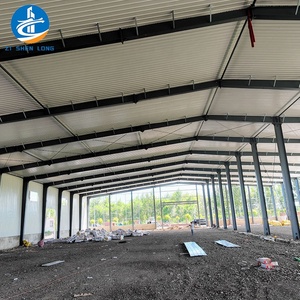 High Durability
Heavy-duty galvanized steel framework engineered for multi-climate resilience and 360-degree perimeter visibility.
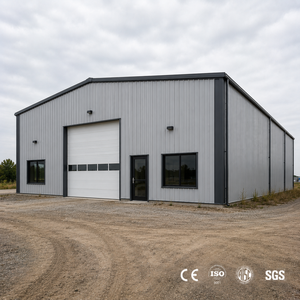 Quick-Bolt
Designed for logistics hubs and port security, featuring rapid bolt assembly and integrated HVAC ducting.
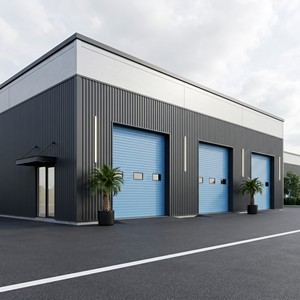 Customizable
Architectural grade exterior panels, double-glazed tempered glass windows, and anti-corrosion galvanized core.
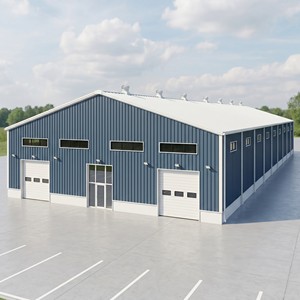 Thermal Shield
Polyurethane sandwich panel walls providing superior thermal efficiency for extreme hot or cold operational climates.
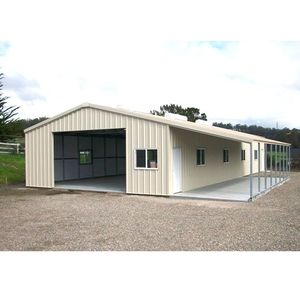 Cost Effective
Ultra-fast assembly system suitable for emergency deployment, construction sites, and municipal access points.
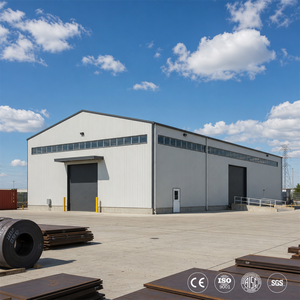 Turnkey Solution
Multi-person monitoring building featuring heavy gauge steel columns, interior partition options, and restroom modules.
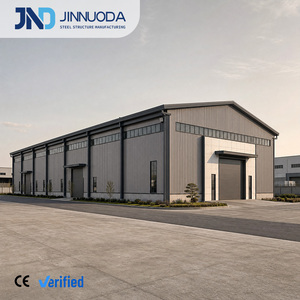 Heavy Duty
Reinforced steel framing engineered to support security cameras, searchlights, and automated access control control panels.
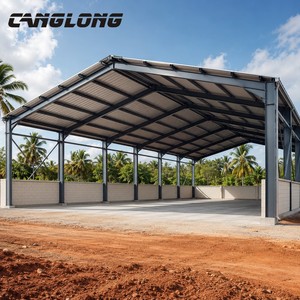 Lightweight Steel
Compact footprint security booth engineered for commercial parking lots, residential gates, and corporate entrances.
Operating out of Gebze & Pelitli in Kocaeli, Turkey, Nexa Prefab manufactures customized modular buildings, worker dormitories, and industrial guard houses exported to over 60 countries worldwide.
Prefabricated guard houses, gatehouses, and security booths have evolved from simple wooden or single-skin metallic shacks into highly engineered, thermal-efficient, and ballistic-resistant perimeter control modules. Driven by rising security imperatives at industrial facilities, military installations, corporate headquarters, energy infrastructure sites, and residential communities, procurement officers are increasingly turning to offsite construction solutions.
Modern offsite fabrication allows up to 90% of the building—including electrical pre-wiring, HVAC cutouts, plumbing, transaction windows, and ballistic lining—to be completed in a controlled factory environment. This results in site labor reductions exceeding 70%, project timeline compressions from months to days, and significantly superior structural performance regarding wind resistance, thermal envelope integrity, and seismic stability.
When procuring modular security booths, total cost of ownership (TCO) is heavily dictated by thermal insulation core materials (Polyurethane vs. EPS) and structural frame galvanization thickness (Z275 specification). Cheaper non-galvanized units suffer structural degradation within 3-5 years in coastal or high-humidity environments.
Based on manufacturing capacity, structural engineering standards, export compliance, material innovation, and customer support, the following ten manufacturers represent the premier tier of global prefabricated guard house and security cabin suppliers.
Selecting the optimal prefabricated guard house requires evaluating structural materials against environmental conditions, operational requirements, and compliance standards. The table below outlines technical metrics comparing structural platforms across top manufacturers.
| Structural Platform | Primary Material | Thermal U-Value (W/m²K) | Wind Load Capacity | Ballistic Rating Options | Expected Lifespan |
|---|---|---|---|---|---|
| Galvanized Light Steel (Nexa Standard) | Cold-formed Galvanized C-Section | 0.22 - 0.28 | 150 km/h (Cat 3 Hurricane) | UL 752 Level 1 - 3 Available | 30+ Years |
| Heavy Welded Structural Steel | Structural Steel Beams & Plate | 0.30 - 0.35 | 180 km/h (Cat 4 Hurricane) | UL 752 Level 4 - 8 (NIJ IV) | 40+ Years |
| GRP / Fiberglass Sandwich | Glass Reinforced Polyester Core | 0.38 - 0.45 | 110 km/h | Non-Ballistic | 15 - 20 Years |
| Modified ISO Shipping Container | Corten Steel Corrugated Plate | 0.32 - 0.40 | 200 km/h | Custom Armor Plate Add-on | 25+ Years |
The prefabricated guard house industry is undergoing a significant technological transformation. Buying entities must consider future-proofing factors during procurement evaluation:
Modern security outposts are increasingly deployed in remote locations without immediate utility grid access. Top manufacturers now offer factory-integrated photovoltaic (PV) solar roof arrays paired with LiFePO4 battery storage systems. This enables 24/7 continuous operation of HVAC units, LED lighting, and security surveillance equipment independent of external power grids.
Instead of passive shelters, guard houses are evolving into smart peripheral command centers. Pre-wired raceways and ceiling conduit networks now support direct factory-installation of License Plate Recognition (LPR) cameras, biometric access readers, automated boom barrier controls, and IP-based public address systems.
Guard personnel spending 8 to 12-hour shifts inside security booths require ergonomic micro-climates. Leading factories now integrate positive-pressure HVAC filtration systems that prevent airborne dust, vehicle exhaust fumes, and industrial particulates from entering the cabin upon door operation.
Aligning with global ESG directives, manufacturers like Nexa Prefab utilize 100% recyclable light-gauge steel framing and non-CFC polyurethane foam cores, reducing the embodied carbon footprint of perimeter security structures by over 40% compared to traditional reinforced concrete construction.
Expert answers to critical technical and logistical questions asked by procurement engineers, EPC contractors, and site planners.
Most prefabricated guard houses require a level concrete pad (slab-on-grade) ranging from 150mm to 200mm in thickness, reinforced with steel mesh. For temporary or emergency site deployment, units can also be anchored onto compacted gravel beds or heavy steel skid frames with anchor bolts.
Manufacturers utilize two primary shipping modes: pre-assembled units shipped via flat-rack containers or low-boy trailers (ideal for immediate plug-and-play installation), or knock-down flat-pack kits shipped inside standard 40ft High Cube sea containers (reducing ocean freight costs by up to 75% for multi-unit orders).
Yes. Factories can retrofit security booths with UL 752 rated bullet-resistant glass (ranging from Level 1 handgun protection up to Level 8 high-powered rifle protection) housed within heavy-gauge reinforced steel window frames and armor-lined wall cavities.
Standard export configurations include a surface-mounted IP65 main breaker panel, LED interior and exterior floodlights, double electrical outlets (110V/220V dual-voltage available), data/Ethernet ports, fan/heater cutouts, and pre-wired wall switches.
Turkish manufacturers like Nexa Prefab leverage high-tier European steel standards (CE, ISO) combined with competitive labor and logistics costs. Geographically located at the crossroads of Europe, the Middle East, and Africa, Turkish factories offer significantly faster shipping lead times to these regions than Asian suppliers while maintaining lower cost bases than Western European producers.
Absolutly. Larger units can be factory-configured with internal sanitary partitions including low-flow toilets, vanity sinks, instant water heaters, and exhaust ventilation fans, pre-plumbed for simple site utility connection.
Standard modular units are typically fabricated within 7 to 14 business days. Customized structural orders, large-volume fleet orders, or units requiring specialized ballistic armoring generally require 3 to 5 weeks prior to export dispatch.
Structural engineers utilize computer-aided finite element analysis (FEA) to design structural steel frames according to project-specific codes (ASCE 7, Eurocode 3, or IBC). Frames are certified to withstand wind velocities up to 150 km/h and Zone 4 seismic acceleration values.
Contact Nexa Prefab's structural engineering team today to receive a complete technical proposal, custom floor plan layout, and competitive global shipping quotation.