Engineering Next-Generation OEM/ODM Prefabricated Carport Structures
A Comprehensive Analysis of Metallurgical Selection, Load Dynamics, and Solar BIPV Sourcing Strategies for Procurement Officers and EPC Contractors.
Strategic Sourcing Takeaway: Modern prefabricated carports are evolving from static shade canopies into multi-functional, energy-producing infrastructure assets. Selecting an OEM/ODM manufacturing partner capable of Finite Element Analysis (FEA), hot-dip galvanization compliance (ISO 1461), and modular bolt-together packaging is essential to minimizing Total Cost of Ownership (TCO) across enterprise installations.
1. Structural Engineering & Load Dynamics of Prefabricated Steel Carports
In modern industrial and commercial construction, prefabricated carport structures represent a highly refined application of light-gauge and structural steel framing. Unlike traditional site-built timber or welded tubular structures, pre-engineered steel carports engineered in centralized factories utilize high-yield structural steel grades (such as Q235B, Q355B, and S350GD) manufactured under stringent dimensional tolerances.
The structural design must accommodate complex environmental stress profiles. Factory structural engineers perform 3D Finite Element Analysis (FEA) to simulate localized shear forces, bending moments, and torsional loads under extreme environmental conditions. Primary engineering metrics include:
- Ultimate Wind Speed Resistance: Engineered cantilever and gable roof configurations capable of withstanding wind uplift forces up to 160 km/h (45 m/s) in accordance with ASCE 7-22 and Eurocode 3 standards.
- Snow Load Capacities: Roof purlin spacing and rafter depth designed to sustain heavy snow loads ranging from 0.5 kN/m² up to 2.5 kN/m², preventing structural sag and frame fatigue.
- Seismic Drift Mitigation: Ductile moment-resisting frame designs that dissipate lateral seismic energy, meeting Zone 4 earthquake safety requirements.
2. Metallurgy, Anti-Corrosion Coatings & Environmental Resilience
Longevity in outdoor structural applications depends entirely on atmospheric corrosion protection. Industrial factories specializing in global export utilize multi-layered protective coatings to prevent rust, particularly in coastal (C4/C5-M corrosion categories) and heavily polluted industrial environments.
| Protection Specification | Standard Coating Weight / Thickness | Corrosion Resistance Lifespan | Optimal Application Environment |
|---|---|---|---|
| Hot-Dip Galvanizing (HDG) | 600 g/m² (85 µm minimum ISO 1461) | 25 to 50 Years (Maintenance Free) | Coastal, High Humidity, Industrial Chemical Zones |
| Zinc-Aluminum-Magnesium (ZAM) | Z275 to Z450 (20 – 35 µm) | 30+ Years (Self-Healing Edges) | Solar BIPV Carports, High-Salinity Marine Regions |
| Electrostatic Powder Coating | 60 to 120 µm over Primer | 15 to 20 Years (Aesthetic Finish) | Commercial Corporate Parks, Showrooms, Urban Lots |
| Fluorocarbon (PVDF) Spraying | 40 to 80 µm multi-coat | 20+ Years (UV & Fade Resistant) | Extreme UV Exposure, Arid Desert Climate Zones |
The introduction of Zinc-Aluminum-Magnesium (ZAM) alloy coatings has revolutionized the OEM carport manufacturing ecosystem. ZAM steel offers superior cut-edge protection, where exposed cut section edges automatically seal through the formation of a dense zinc-based protective film, preventing under-film corrosion without requiring secondary hot-dip dipping post-fabrication.
Pre-Engineered Precision
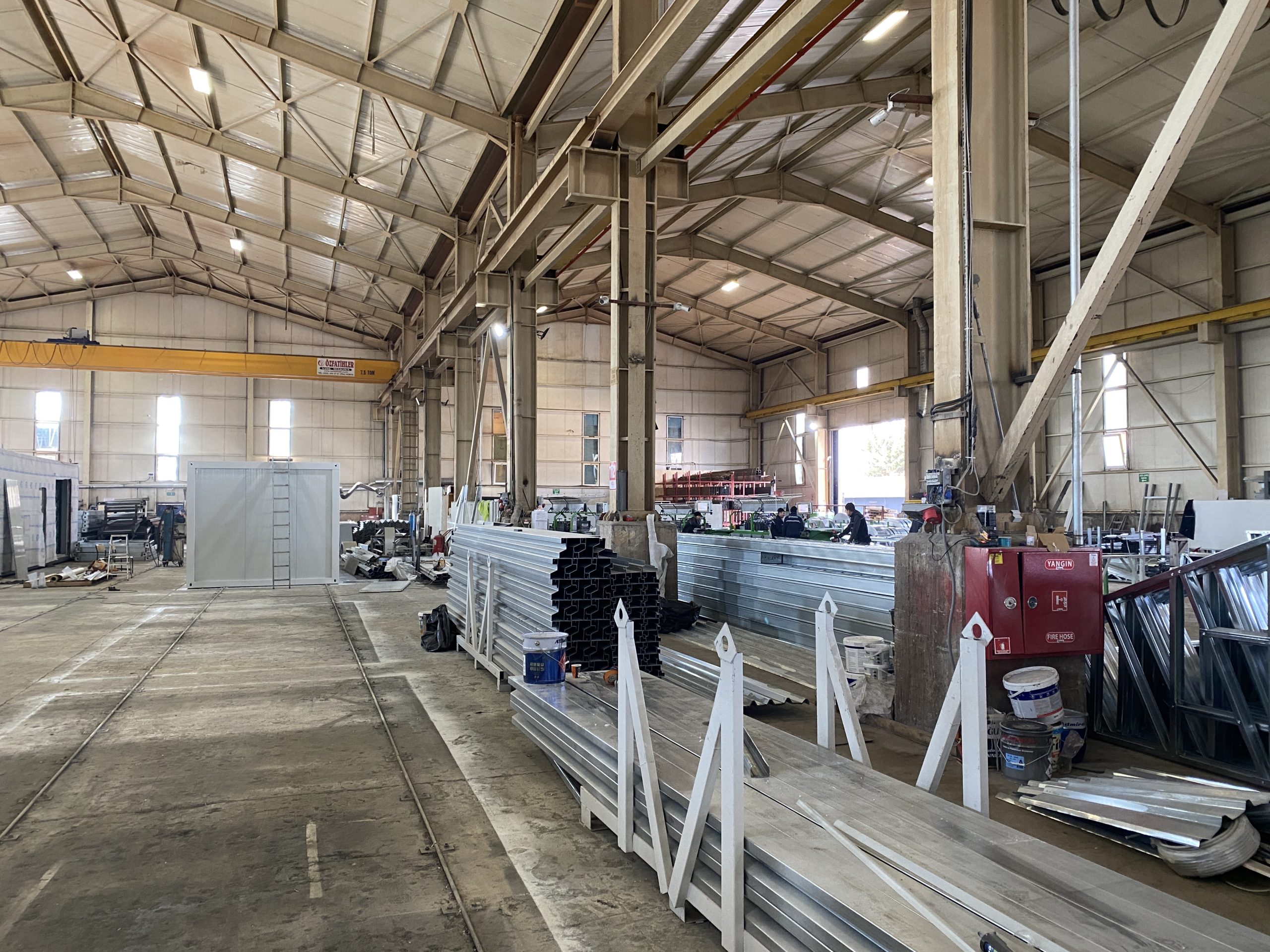
Computer-controlled CNC punching and cold-roll forming guarantee 100% bolt-hole alignment, eliminating on-site cutting or welding during assembly.
Solar Photovoltaic (BIPV) Integration
Custom structural purlins and aluminum mounting rails designed to directly accept frameless or framed PV modules with built-in leakproof rubber gaskets.
Optimized Freight Shipping
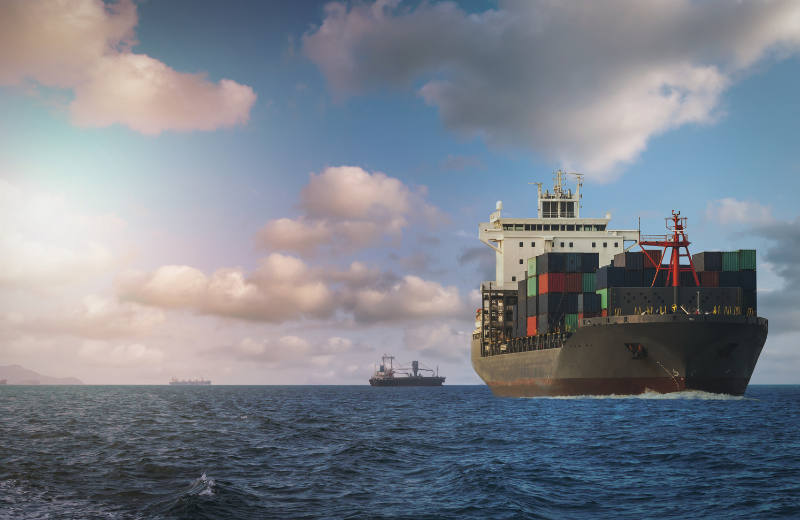
Modular knock-down design enables high-density container loading (40ft HQ), reducing international sea freight costs per megawatt/carport unit by up to 35%.