
EN Pay Online
Explore our top-tier prefabricated industrial shelters engineered with ISO/CE compliance, high thermal insulation, and extreme meteorological resistance for global deployment.
 CE Certified
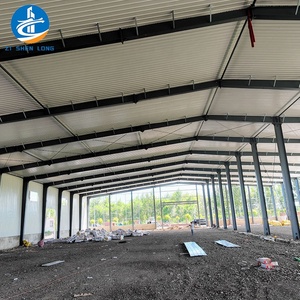
Heavy-duty modular steel building engineered for telecom switching hubs, base station shelters, and power distribution arrays.
 Quick Bolt
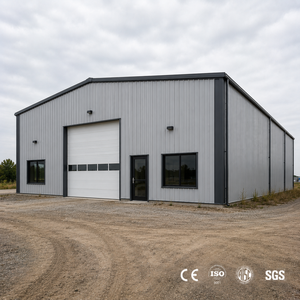
Quick-bolt connection system designed for rapid deployment of large-scale telecommunications logistics and equipment storage.
 Custom OEM
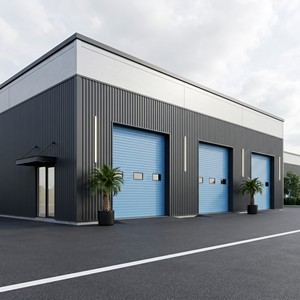
Tailor-made prefab steel shelter featuring integrated cable trays, HVAC cutouts, fire-rated sandwich wall systems, and EMI shielding.
 Free Design
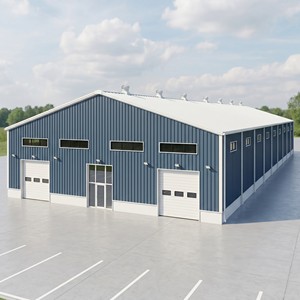
High-rigidity modular enclosure optimized for housing sensitive fiber-optic systems, battery racks, and remote radio units (RRU).
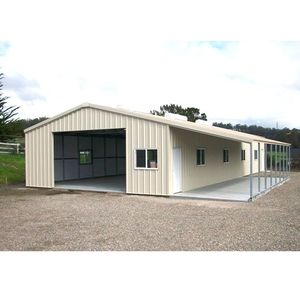 Cost-Effective
Flat-pack transportable modular shelter kit delivering economical infrastructure protection for remote rural base station sites.
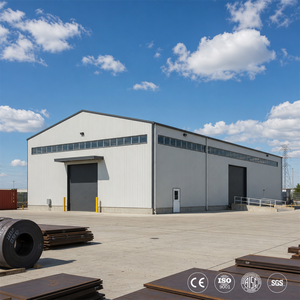 Turnkey Solution
Turnkey prefabricated modular building with reinforced gable roof structure, superior rainwater shedding, and thermal insulation.
 Heavy Duty
Engineered for mega telecom deployments, housing high-density server racks, power generators, and network management equipment.
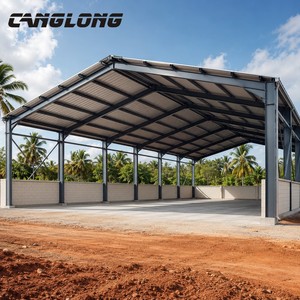 Lightweight Steel
Cold-formed thin-walled steel modular enclosure offering high strength-to-weight ratio for rooftop and remote hill station installs.
In modern cellular telecommunications, satellite communication ground stations, and edge-computing micro-data infrastructure, the modular telecom shelter serves as the crucial physical barrier shielding mission-critical hardware from external environmental threats. As a premier CE Certified Modular Telecom Shelters Manufacturer & Exporter, our engineering framework integrates full compliance with European Norms (EN 1090-1, EN 1090-2 Execution Class EXC2/EXC3) and ISO 9001:2015 quality management standards.
Unlike conventional brick-and-mortar masonry bunkers or low-spec container conversions, purpose-engineered modular telecom shelters utilize cold-formed galvanized structural steel framing combined with high-density polyurethane (PU) or polyisocyanurate (PIR) core sandwich panel systems. This delivers a continuous, zero-cold-bridge thermal envelope capable of maintaining internal climate stability under ambient temperatures ranging from extreme Arctic cold (-40°C) to scorching desert heat (+55°C).
Information Gain Insight: Structural analysis indicates that CE EN 1090-1 certified modular telecom shelters exhibit a 40% higher structural strength-to-weight ratio compared to standard structural steel frames, eliminating localized thermal bridging and guaranteeing an operational life exceeding 50 years under severe C5-M coastal atmospheric conditions.
Designed in accordance with Eurocode 3 (EN 1993), capable of withstanding wind loads up to 200 km/h (55 m/s) and seismic accelerations up to Zone 4 standards.
Thermal transmittance (U-value) engineered down to 0.20 W/m²K using non-combustible PIR core panels, minimizing precision HVAC energy consumption by up to 35%.
Complete IP65/IP66 dust and moisture sealing with EI60 to EI120 fire resistance ratings certified under EN 13501-1 Class B-s1, d0 non-combustibility standards.
The global telecommunications sector is undergoing a massive structural shift driven by the expansion of 5G Standalone (SA) networks, initial 6G research testbeds, satellite-to-cellular constellation ground stations, and decentralized artificial intelligence edge nodes. Telecom procurement directors and network infrastructure planners are fundamentally shifting their capital expenditure strategies toward off-site prefabricated building solutions.
| Evaluation Metric | CE Certified Modular Telecom Shelter | Traditional Masonry / Concrete Bunker | Procurement Advantage |
|---|---|---|---|
| On-Site Deployment Lead Time | 1 to 3 Days (Plug & Play) | 12 to 24 Weeks | 85% Faster Deployment |
| Thermal Insulation (U-Value) | 0.20 – 0.24 W/m²K (Zero Thermal Bridge) | 0.85 – 1.40 W/m²K | 35% HVAC Energy Saving |
| Structural Weight & Rooftop Load | Lightweight High-Tensile Steel (250-350 kg/m²) | Heavy Reinforced Concrete (>1200 kg/m²) | Rooftop Installation Viable |
| Relocation & Scalability | 100% Relocatable (ISO Lift / Crane) | Fixed / Permanent Demolition Required | High Asset Reusability |
| Environmental Resistance | C5-M Anti-Corrosion / IP66 Sealed | Prone to Concrete Cracking & Spalling | 50+ Year Design Life |
To stay ahead of global telecommunication requirements, modular shelter manufacturing has evolved beyond basic steel boxes into sophisticated, IoT-enabled intelligent structural enclosures. The primary technological advancements embedded into our export manufacturing line include:
Integrating organic phase-change thermal storage liners inside the sandwich panel walls allows the shelter to passively absorb operational heat during peak daylight, discharging thermal energy during cooler night hours to drastically cut mechanical AC runtime.
Factory-integrated sensor arrays track temperature gradient, humidity thresholds, water ingress detection, door intrusion, vibration alerts, and power status in real-time via SNMP and Modbus protocols connected to central NOC systems.
For high-security military communications and sovereign telecom backbones, shelters feature seamless continuous seam-welded steel inner skins, conductive gasket door seals, and honeycomb waveguide vents providing up to 80dB attenuation from 10kHz to 10GHz.
Operating from our modern manufacturing facility in Gebze / Kocaeli, Turkey, Nexa Prefab represents over 15 years of continuous engineering excellence in light-gauge steel framing, modular container systems, and CE-certified industrial equipment shelters.
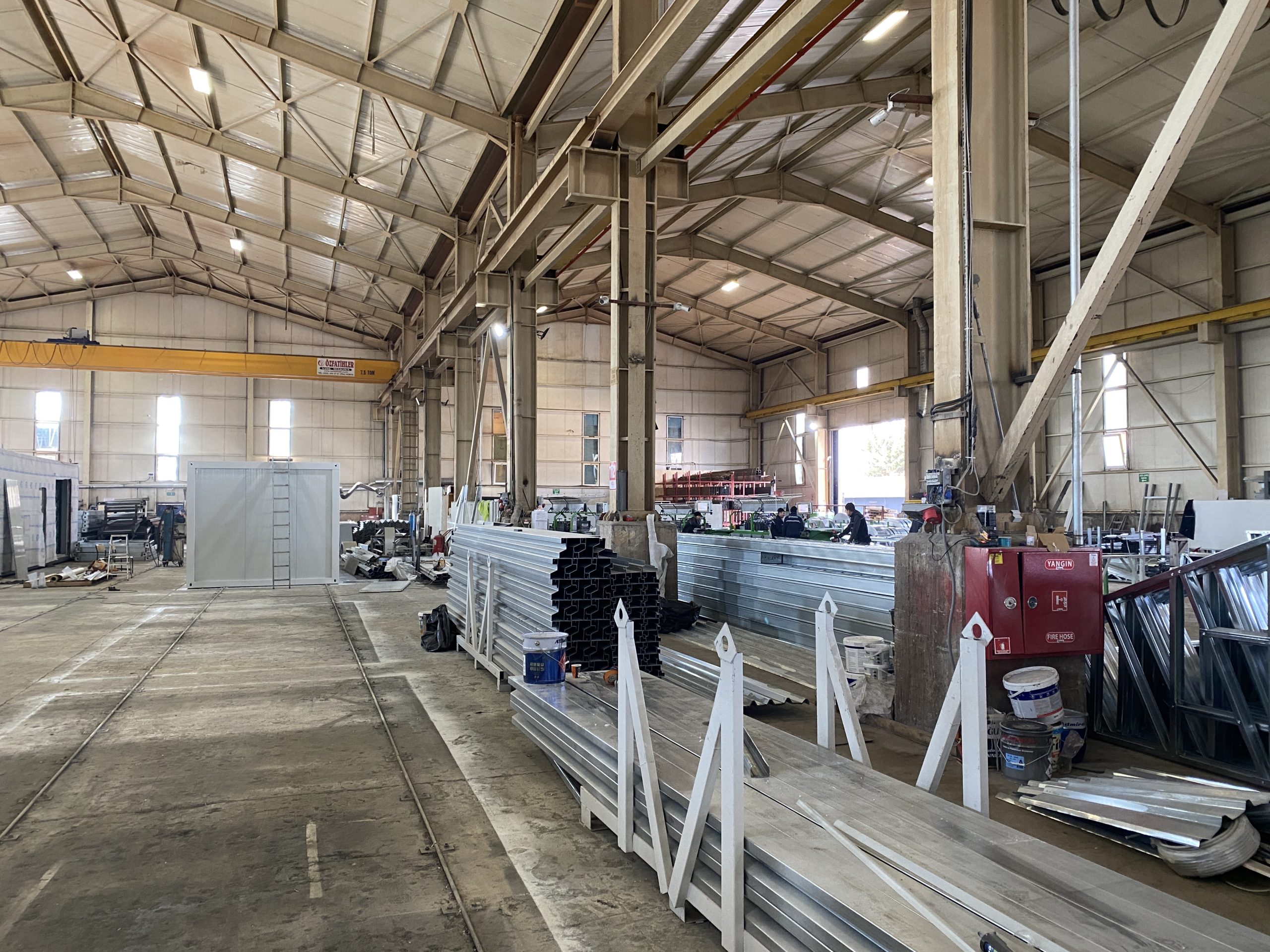
Addressing the core technical inquiries raised by telecom infrastructure managers, project procurement officers, and network engineering contractors.
Our modular telecom shelters strictly comply with EN 1090-1 (Execution Class EXC2 for load-bearing steel structures) under the EU Construction Products Regulation (CPR). Electrical distribution panels and HVAC systems integrated into the shelter carry CE marking under Low Voltage Directive (LVD) 2014/35/EU and Electromagnetic Compatibility (EMC) Directive 2014/30/EU.
Shelters can be delivered fully factory-assembled as ready-to-drop units for standard ISO shipping, or supplied as flat-pack knockdown kits designed to fit into standard 40ft High Cube (HC) maritime containers. Flat-packing allows up to 4 complete shelter enclosures to be packed per container, reducing international freight costs by up to 60%.
All structural steel framing undergoes hot-dip galvanization with a minimum zinc coating of Z275 (275 g/m²). For coastal and offshore environments (ISO 12944 C5-M classification), we apply a multi-layer epoxy primer followed by a high-durability polyurethane topcoat, providing active corrosion resistance for over 25 years without maintenance.
Yes. We provide complete Factory Acceptance Testing (FAT) ready-to-power solutions. Shelters can be pre-configured with cable entry glands (Roxtec sealing systems), anti-static ESD raised flooring, AC/DC power distribution boards, UPS battery racks, automatic fire detection and suppression, and dual redundant precision air conditioning units.
Standard lead times range from 3 to 5 weeks from technical drawing approval for volume orders of 10 to 50 shelter units. Accelerated production schedules are available for emergency network restoration or fast-track national 5G infrastructure expansion projects.
Our shelters are engineered using Finite Element Analysis (FEA) to exceed standard structural codes. The continuous welded base frame coupled with heavy-duty corner castings guarantees structural stability up to Seismic Zone 4 (PGA >= 0.4g) and sustained wind speeds exceeding 200 km/h.
Consult with our technical engineering team today to customize CE-certified modular telecom shelters tailored to your project's climate, thermal, and security requirements.