
EN Pay Online
Engineered for rapid deployment, optimized PUE, and maximum rack density. Select a modular architecture to request factory direct technical specifications and custom OEM pricing.
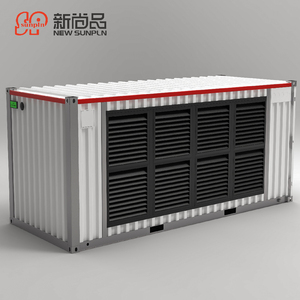
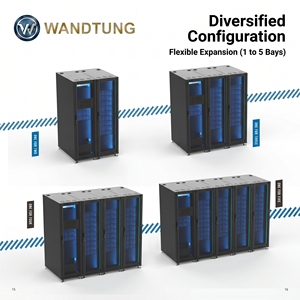
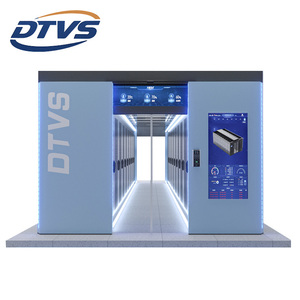
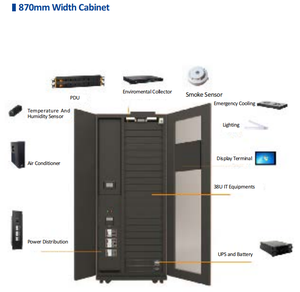
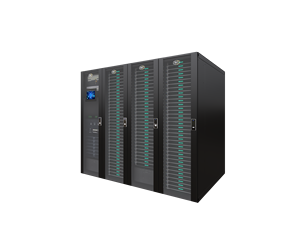
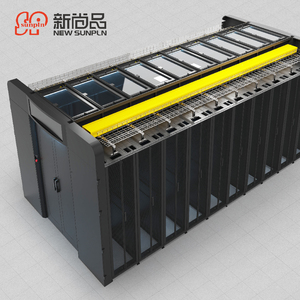
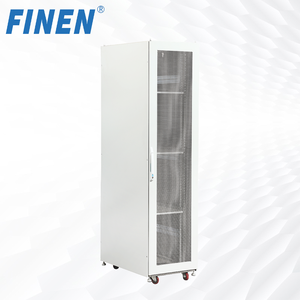
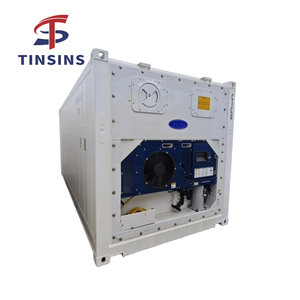
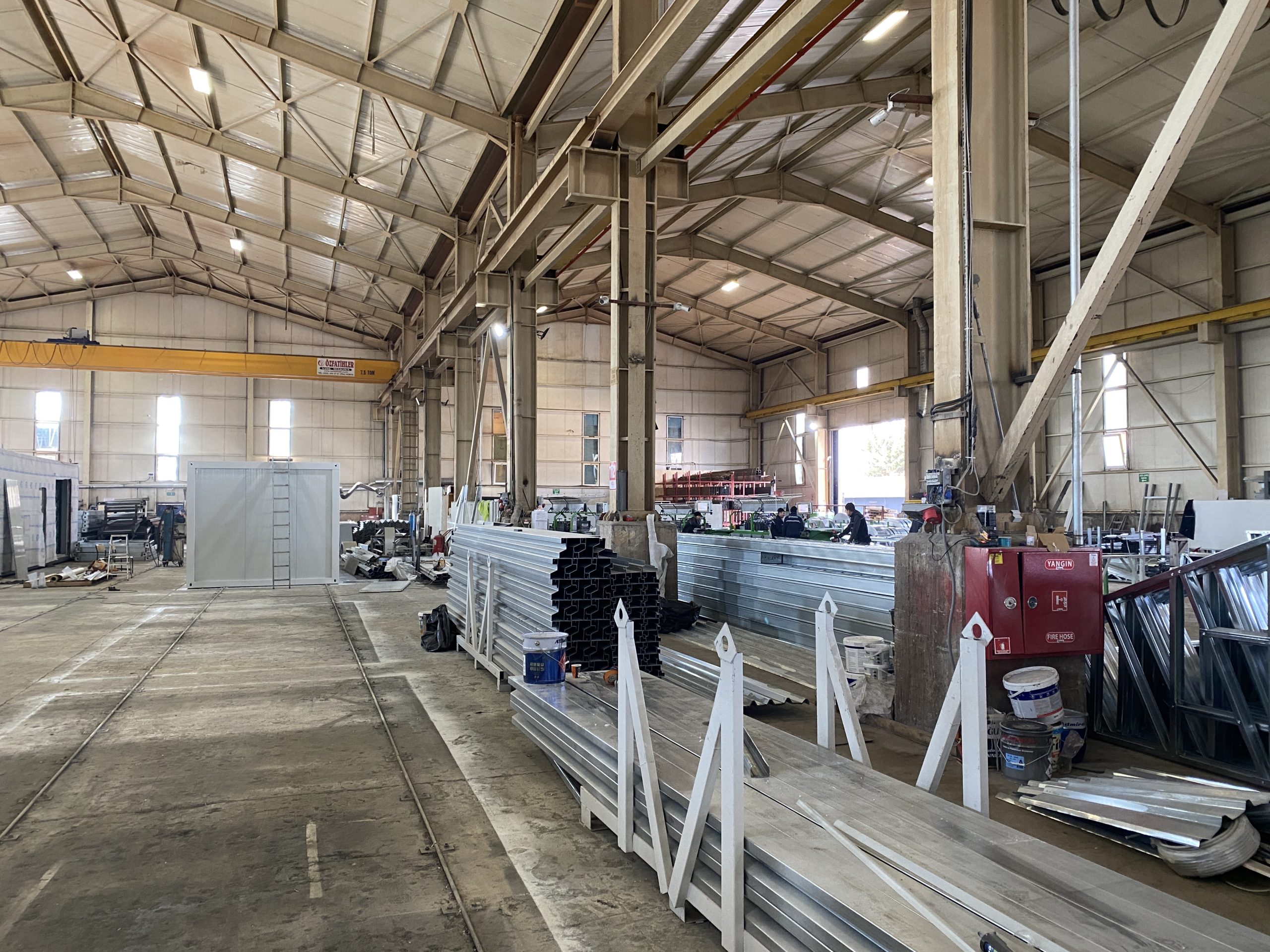
Our state-of-the-art modular infrastructure manufacturing facilities located in Kocaeli, Turkey, operate under strict ISO 9001 quality management, ISO 14001 environmental safety, and CE structural compliance directives. We build resilient, scale-ready modular data center enclosures designed for global deployment across Europe, the Middle East, Africa, and the Americas.
Every modular unit undergoes 100% factory pre-commissioning—including load testing, HVAC stress testing, structural deflection verification, and automated fire suppression system checks—ensuring site readiness upon arrival.
Comprehensive technical analysis of modular infrastructure, thermal dynamics, and procurement strategies for hyperscale and edge deployments.
In modern IT architecture, speed-to-market and operational energy efficiency dictate enterprise infrastructure strategy. Conventional stick-built data center construction suffers from extended project timelines (18–24 months), cost overruns, and complex multi-vendor management. CE Certified Modular Data Center Units resolve these challenges through factory-controlled fabrication, standardized electrical topologies, and pre-commissioned HVAC systems, shrinking deployment timelines down to 8–12 weeks.
CE Certification serves as a mandatory indicator of compliance with European Health, Safety, and Environmental protection standards. For critical data center infrastructure, CE marking incorporates strict adherence to the Low Voltage Directive (LVD 2014/35/EU), Electromagnetic Compatibility Directive (EMC 2014/30/EU), and Machinery Directive (2006/42/EC). This structural certification guarantees that all modular units withstand heavy industrial operation, extreme ambient thermal swings, and high-intensity seismic vibrations.
The structural backbone of our prefabricated data center units utilizes heavy-gauge SPCC cold-rolled steel and reinforced structural tubing. Designed to meet seismic Zone 4 operational requirements, the frames feature an integrated structural payload capacity exceeding 1300 kg per 42U/48U rack position.
All wall and roof sandwich panels incorporate non-combustible Class A1 rock wool insulation with core densities exceeding 120 kg/m³. This provides an thermal resistance U-value of < 0.22 W/m²K, protecting internal IT servers from external solar thermal loading while providing a 2-hour structural fire rating (EI 120) compliant with EN 13501-1 fire safety standards.
Integrated modular UPS systems utilizing Lithium-ion (LFP) battery technology. Modular power distribution units (PDU) support dynamic branch circuit monitoring and A/B dual-path power distribution.
Direct Expansion (DX) and chilled-water InRow cooling units paired with automated hot/cold aisle containment systems minimize thermal recirculation, delivering precise airflow control.
Integrated VEDA early-warning smoke detection paired with FK-5-1-12 (Novec 1230) gas-based fire suppression systems, ensuring rapid extinguishability without residue or hardware harm.
Cooling inefficiency remains the leading driver of high operational expenditure in legacy data centers. By isolating supply air from return exhaust using closed-loop Hot or Cold Aisle Containment (HAC/CAC), our modular units eliminate air bypass and thermal mixing.
In high-density compute environments hosting AI clusters, traditional air cooling reaches physical density limits around 15 kW to 20 kW per rack. To address high-performance compute (HPC) demands, our containerized edge units incorporate Direct-to-Chip (D2C) liquid cooling manifolds and total immersion cooling loops. This hybrid liquid-air dynamic allows processing densities up to 80 kW per cabinet while pulling overall Power Usage Effectiveness (PUE) down to an industry-leading metric of 1.15.
A direct side-by-side performance evaluation for IT procurement managers and enterprise system integrators.
| Evaluation Parameter | CE Certified Modular Data Center | Traditional Brick & Mortar Build | Procurement Advantage |
|---|---|---|---|
| Deployment Timeline | 8 to 12 Weeks (Factory Prefabricated) | 18 to 24 Months (On-site Civil Construction) | 75% Faster Time-to-Market |
| Power Usage Effectiveness (PUE) | 1.12 - 1.25 (Close-coupled Cooling) | 1.60 - 2.10 (Perimeter CRAH System) | Up to 40% OPEX Energy Savings |
| Scalability & Flexibility | Pay-as-you-grow Modular Expansion | Fixed Over-provisioned Capacity | Eliminates Idle Upfront CAPEX |
| Quality Control & Testing | 100% Factory Pre-commissioned | On-site Variable Labor Quality | Zero Field Assembly Defect Risk |
| Compliance & Certifications | Unified CE, ISO 9001, EN 1090 Pre-certified | Multi-vendor Fragmented Approvals | Streamlined Regulatory Permitting |
| Civil Footprint Efficiency | Compact High-Density Design | Large Land Footprint Requirement | 60% Space Footprint Reduction |
Nexa Prefab delivers turnkey modular data center containers (20ft, 40ft High Cube) directly to client construction sites in over 60 countries across the globe. Our experienced logistics teams manage multimodal sea freight, customs clearance, and heavy-lift transit.
All structural units are encased in heavy-duty export packaging, equipped with shock sensors and corrosion protection, ensuring pristine factory condition upon arrival regardless of global shipping route.

Strategic forecast for infrastructure managers preparing for AI Workloads, Edge Expansion, and Net-Zero Mandates.
The sudden surge in Machine Learning (ML) workloads and Large Language Models (LLMs) is driving average server rack power requirements from legacy 5–8 kW levels up to 30 kW–100 kW per enclosure. Future modular procurement strategies prioritize liquid cooling ready infrastructure—including dual-fluid manifolds, external dry coolers, and hybrid DX/Chilled water plants—capable of managing extreme thermal flux without increasing physical floor footprint.
As 5G networks, autonomous robotics, and IoT applications demand single-digit millisecond latency, data processing shifts from centralized hyperscale facilities to distributed edge nodes. Compact micro modular data centers (1 to 4 racks) and 20ft containerized units installed directly at cell towers, industrial factories, and smart city hubs represent the fastest-growing procurement category worldwide.
Strict European Union Corporate Sustainability Reporting Directives (CSRD) mandate accurate reporting of scope 1, 2, and 3 carbon emissions. Modular prefabricated units fabricated from recyclable steel reduce embodied construction carbon by 35% compared to concrete builds. Furthermore, closed-loop water consumption cooling technology ensures compliance with strict municipal water consumption regulations.
Modern enterprise modular deployments demand fully integrated Data Center Infrastructure Management (DCIM) telemetry. Procurement contracts increasingly require embedded IoT sensors measuring branch electrical loads, rack microclimates, thermal imaging, automated access logging, and predictive maintenance algorithms powered by cloud analytics.
Expert insights addressing key engineering, compliance, and ordering parameters for modular data center projects.
Our CE certification encompasses the Low Voltage Directive (LVD 2014/35/EU), Electromagnetic Compatibility Directive (EMC 2014/30/EU), and EN 62368-1 audio/video, information and communication technology equipment safety. Furthermore, structural frames meet EN 1090-2 execution standards for steel structures.
Thermal insulation thickness (80mm to 150mm PU/Rockwool), ambient HVAC condensers, dynamic free-cooling economizers, and outer shell IP ratings (IP55 to IP65) are customized based on the installation site's historical dry-bulb temperature, humidity levels, and environmental dust exposure.
Standard micro-modular indoor units (1–6 racks) ship within 4 to 6 weeks. Complete containerized modular systems (20ft/40ft outdoor solutions) require 8 to 12 weeks from architectural design lock to final factory acceptance testing (FAT).
Yes. All embedded monitoring systems support open-standard industrial protocols including Modbus-RTU, Modbus-TCP, SNMP v1/v2c/v3, and BACnet, allowing direct integration into centralized enterprise DCIM platforms.
Consult with our lead engineering team to review site layout plans, obtain custom CAD designs, and receive competitive factory-direct export pricing.